
Lebenshilfe Mönchengladbach has taken a digital step — one that has made a big difference. With the introduction of beUnity, the organization has not only improved its internal communication but has achieved something even more important: greater closeness and exchange among all stakeholders — employees, clients, relatives, and volunteers.
For over 60 years, Lebenshilfe Mönchengladbach has been committed to inclusion and participation. People with intellectual or multiple disabilities and their families are at the center, with services covering housing, work, learning, and leisure. Recently, the beUnity platform became part of the organization’s daily operations, following its successful adoption in other Lebenshilfe branches — bringing noticeable relief and efficiency.
Inefficient information distribution
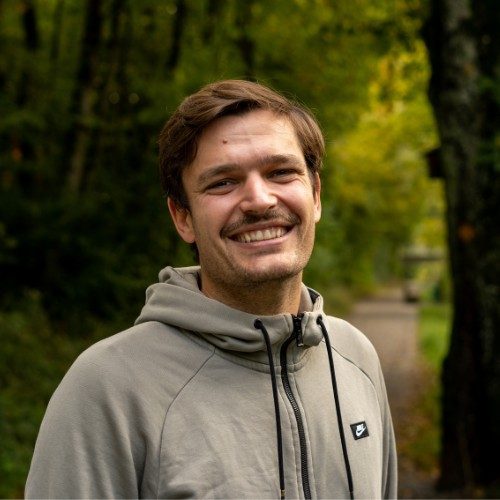
“Before beUnity, we had no central platform for internal communication or networking with clients, relatives, or volunteers,” says CEO Özgür Kalkan. Information distribution via email or bulletin boards was not only inefficient but also inaccessible for many. With numerous decentralized facilities, this was a real problem.
The existing intranet was outdated and not intuitive enough for the diverse age range of members. “Interaction was missing — employees couldn’t contribute or communicate with each other.” Many contents were outdated, updates were cumbersome, and mobile access — interactive and low-threshold — was lacking, preventing timely delivery of information to people.
A place where everything comes together
With beUnity, a digital hub has emerged — for everyone in the Lebenshilfe community. The platform enables fast, centralized, and targeted communication via posts and push notifications. “beUnity helps us consolidate communication, encourage participation, and break down barriers — digitally and inclusively,” explains Kalkan. Individual groups (e.g., management board, facility groups, administration, early intervention) can also be organized with clear daily-life advantages.
A concrete example: in the “Outpatient Assisted Living” group, new duty schedules are shared, important updates from management are published, or a substitute for a shift is sought at short notice. “No information gets lost like it did with email distribution lists,” Kalkan says. “Everything is centrally accessible — even for new employees. Communication is more structured and transparent, which not only makes work easier but also reduces follow-up questions, uncertainties, and time expenditure.”
Efficiency gains and employee engagement
The difference is noticeable in daily operations. Information reaches everyone — in administration or outpatient assisted living. Feedback, photos, or short surveys can be shared directly via the app. This not only strengthens the sense of community but also saves resources.
“Printed newsletters, notices, and many emails are now obsolete,” says Kalkan. “By centralizing our communication, we save a lot of time daily. On average, employees save 30 to 60 minutes per week — mainly thanks to fewer emails, faster question resolution, and targeted information sharing.” Overall, the organization experiences significant efficiency gains.
Measurably higher team satisfaction
These structured processes positively impact team morale. “Feedback shows that employees feel better informed and appreciated because their perspectives matter — through surveys or participation in discussions,” explains Kalkan. Faster coordination reduces stress, and the sense of belonging and co-creation grows. Younger employees especially see the app as a modern step in the right direction.

Early successes in practice
A practical example is the Family Support Service: “Young people with and without disabilities can register for events via the app, interact with each other, and contribute their own ideas.” Other benefits include success stories, professional articles, training materials, discussions on current projects, networking opportunities, and informal content that fosters social exchange.
Even in team or department leadership rounds, the added value is evident: scheduling, document management, and decision-making are now much more structured — all on a platform accessible to everyone.
Structured implementation
The platform was introduced in a structured manner, closely supported by beUnity. “We were intensively supported through workshops, video tutorials, and live demos,” says Kalkan. A complex data migration wasn’t necessary — content was intentionally created fresh and current. The biggest challenge was digitally reaching all employees. “We solved this well with QR codes, introductory days, and multipliers.”
A platform that matches the organization’s ethos
For Lebenshilfe Mönchengladbach, beUnity is more than a communication tool — it’s a step toward lived inclusion. “The app perfectly aligns with our self-image as an open, participatory organization,” emphasizes Kalkan. Openness, transparency, and participation are not only expected here but actively enabled — both digitally and in real life.